Wednesday, October 3, 2018

The Benefits of Glycerin for Skin

Moisturizing: Glycerin acts as a very effective moisturizer on the skin. It makes your skin absorbs water from air reducing the dry and dull patches on your skin. It’s therefore very useful in winters as well. Glycerin can be applied directly onto the skin as a moisturizer. Dab a cotton ball with glycerin and apply it onto your skin. Wow, you will feel your skin gets soft, supple and hydrated immediately on its application. It adds hydration and health to your skin. Glycerin is also known for its meditative properties that work to heal dry, rough and irritated skin.
Smoothing: As the skin ages, it looks dull and gets susceptible to irritation, redness and many other conditions, such as dry skin due to losing its ability to retain moisture. With aging, your skin gets rough – but using glycerin regularly can make your skin smooth and prevent other problems associated with dryness. This also helps in smoothing your skin and face by filling in the tiny cracks in the dry skin.
Maintains Water Balance:  Humectants in glycerin attract water from air and help in retaining water in the skin. When glycerin or glycerol is applied to the skin, it minimizes water loss due to evaporation and maintains the skin’s water balance on an intercellular level– so keeps the skin well hydrated and nourished.
Nourishes Skin: Because of its skin nourishing properties, glycerin can be used every day. Its regular use will help to keep your skin healthy, soft and fresh.
Enhances Skin Appearance: Glycerin acts as an emollient that keeps your skin not only moist, but soft and supple to touch. It makes your skin looks healthier and attractive, devoid of the scaly looks and other characteristics of dry skin. Its therapeutic effects on wounds and other skin disease also lead your skin to look healthier and smoother.
Heals Skin:  Glycerin is able to guide cells to grow and mature more effectively, thus helping the skin heal. Glycerin also acts as a natural medication for fungal infections like eczema and psoriasis, by reducing bruising and helping the infected tissue and cells to repair themselves more quickly.
Protects Skin:  Glycerin increases the thickness of the epidermal layer and improves barrier function. It helps keep harmful chemicals and environmental elements sout of the skin and locks moisture in.

Tuesday, October 2, 2018

GLYCERIN SOAP PROPERTIES

What is glycerin soap?

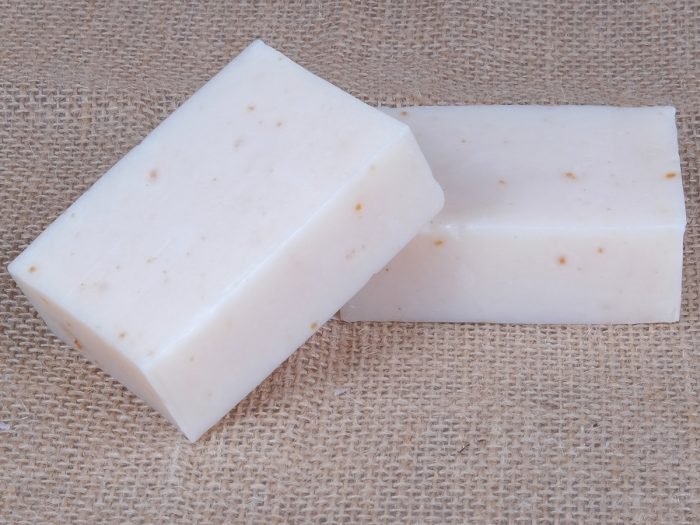
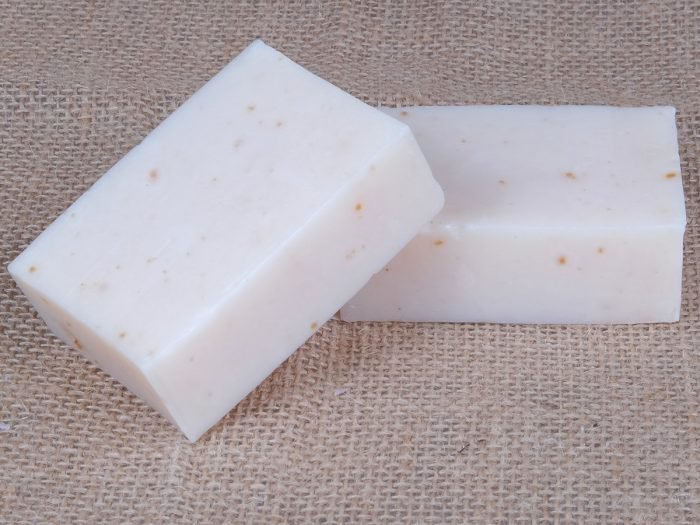
It is a soap whose base is made up of glycerin. In addition to the glycerin, it contains natural colourings and flavors that give it beauty and fragrance.

Characteristics of glycerin soap

Glycerine soaps are neutral soaps, that’s to say, with a pH similar to the skin pH, so they can eliminate impurities without being aggressive.
They are different to industrial soaps, most of which contain animal fats and usually affect the skin and cause flaking, irritation, dry skin, etc.

Properties of glycerin soap

glycerin
Glycerin soap
  • Glycerin soap for oily skins: In general glycerine soap is used for oily skin for its specific character which tends to close the sebaceous glands. It is a kind of soap with a neutral and longlasting action. Suitable for the treatment of acne, pimples, blackheads, oily skin, etc.
  • Glycerin soap for delicate skins: At the same time it is considered very useful for fine and sensitive skins, that are those types of skin that suffer most from the external aggressions. People with these skin types, if they wash their face with this type of soap, will help reinforce it and keep it under better conditions.
In its preparation, aromatic plant extracts may be added to provide the aroma and, at the same time, to contribute with their therapeutic values.

Is glycerine soap safe?

Glycerine soap is considered very safe. It is biodegradable by the action of water and sun.

How to get glycerine soap?

It is advisable to buy the glycerin soap in health food stores, so that it can free of detergents or substances which are not suitable for the skin.
You can also prepare glycerin soap at home with an easy homemade formula. Although the preparation of this type of soap is not cheap, it produces a very high quality soap.

Monday, October 1, 2018

3 Amazing Ways To Use Glycerin For Clear Skin

Glycerin is a colorless and odorless liquid that is derived from plant sources. For long, it has been in use in the beauty world for its incredible skin benefiting properties. While most beauty products may contain glycerin as one of its ingredients, you can also use it straight away to take care of your skin. Here are three easy ways to make glycerin a part of your beauty routine:
1. As a cleanser

Glycerin mainly consists of sugars and alcohol organic compounds. It has this amazing ability to deeply cleanse the skin by removing excess oil, dirt and even makeup. As such, rather than cleansing milks, you can make use of glycerin to clean your face. Wet your face and then take a few drops of glycerin on a cotton ball and apply all over. You can also add in three tablespoons of milk to one tablespoon of glycerin and leave it on overnight.

2. To moisturise the skin

For those who constantly have to deal with dry skin, glycerin can help a great deal it locking moisture and keeping the skin soft. It is known to be a humectant that helps in slowing down the evaporation of water from your skin and keeping it hydrated. Moreover, it improves skin permeability and promotes cell growth. Apply glycerin directly on your skin or mix it with vitamin E oil. Massage onto your skin before going to bed and leave it on overnight.

3. To fight against skin breakouts

Glycerin suits all skin types as it is extremely gentle on the skin. The plant-based oil helps fight against skin irritation and rashes, and because it is non-greasy, it can keep your skin hydrated without triggering excessive sebum production that leads to skin breakouts like acne and pimples. Take one part glycerin and two parts rose water, and use it as a skin toner. Use this readily available ingredient to take care of your skin and keep it flawless.

Saturday, September 29, 2018

Future glycerol market forecast

The Glycerin market is expected to grow at a moderate rate during the forecast period, 2018 to 2023. Asia-Pacific region is estimated to lead the market owing to its increasing usage in personal care and pharmaceutical applications. Pharmaceutical application is expected to be the largest market.
  • Increasing production and demand for biodiesel
Glycerin is a by-product, produced while manufacturing biodiesel from animal fats, and vegetable oil. Rising demand for alternative fuel vehicles among consumers in European Union and North America has increased the consumption of biodiesel. According to European Automobile Manufacturer Association (ACEA), 852,933 alternative fuel vehicles were registered in the European Union in 2017, which is estimated to increase the demand for biodiesel during the forecast period. This increase in demand for bio-fuel, coupled with increasing concern related to global climate change, improving energy stability, and fluctuating crude oil prices is expected to increase the demand for biodiesel, which, in turn, is expected to increase the availability of glycerin during the forecast period.
  • Pharmaceutical Application will continue to Dominate the Market
Pharmaceutical application will continue to dominate the market for glycerin during the forecast period. Glycerin is an important raw material used for manufacturing products such as creams, jellies, eye-drops, syrups, and lozenges among others due to its smoothing, moisturizing, and sweetening properties. Increase in spending on medication and rising use of new and expensive medicinal products due to increasing health concern has propelled the consumption of pharmaceutical products in the recent years. In addition, the growing medical tourism in countries, such as India, Mexico, Thailand, South Korea, Turkey, Malaysia, Costa Rica, Brazil, and Taiwan has increased the consumption of various pharmaceutical products. For instance, according to OECD, around 50 million tourist seek medical treatment annually, on the global level, which in turn has driven the demand for glycerin in pharmaceutical application.
  • Asia-Pacific Region to lead the market
Asia-Pacific is projected to dominate the glycerin market, during the forecast period, owing to the growing demand from personal care application. Increase in consumer spending on mass and premium personal care products coupled with increasing population in countries, such as India, China, Japan, and South Korea has increased the consumption of glycerin. In addition, rise in cosmetics sales due to growing tourism industry in countries, such as Thailand, Vietnam, and Cambodia has increased the production of personal care products, which in turn is expected to drive the demand for glycerin for personal care application during the forecast period.

Glycerin 99.5% Vegetable USP

Glycerin is a oil-based liquid traditionally produced from palm, soy, or coconut oil. Food applications demand a USP grade of 99% or higher, which is exceeded with this product. While vegetable glycerin is clear and odorless, USP-grade glycerin has a sweet flavor. Read below for uses of vegetable USP-grade glycerin 99.5%.
  • The sweet taste of vegetable glycerin gives it applications as a sweetener in low carbohydrate foods, and, unlike common table sugar, glycerin will not cause tooth decay.
  • Many foods contain vegetable glycerin as a filler or thickening agent, especially in low-fat foods. Without fat, foods often lose flavor and texture, both of which can be rectified with the addition of vegetable glycerin.
  • Cake icing often contains vegetable glycerin to prevent it from becoming too hard after it is spread.
  • Shaving cream, soap, and shampoo contain vegetable glycerin as a humectant (moisturizer) to increase the solubility of other ingredients, thereby making products easier for the skin to absorb.
  • Many lotion manufacturers appreciate vegetable glycerin’s ability to draw moisture from deep skin tissues to the surface and to keep the skin from drying excessively. It is often marketed toward individuals with sensitive or easily-irritated skin.
  • Toothpaste and mouthwash contain vegetable glycerin since it improves the taste without causing tooth decay.
  • The increase of solubility has led the pharmaceutical industry to utilize vegetable glycerin in allergen immunotherapy, cough syrup, elixirs, and expectorants.
  • Medicine in the form of tablets may contain vegetable glycerol as a tablet-holding agent.
  • In herbal extracts, vegetable glycerin is often used in lieu of ethanol in products touted as alcohol-free.
With its many uses, vegetable glycerin 99.5% USP is a fantastic product from your pharmaceutical, food grade, and nutritional chemical.

Friday, September 28, 2018

Product Spotlight: Vegetable Glycerine 99.7%

Vegetable glycerine 99.7% is produced primarily from soy, palm, or coconut oil, although other oils may also be used in its manufacture. Glycerine is odorless, colorless, viscous (thick), and has a sweet taste. Purer forms of glycerine – above 99% – are the standard for use in foods, pharmaceutical products, and cosmetics.
  • Cosmetics: Glycerine is a humectant, attracting water to the skin. This makes it ideal for use in lotions, shampoos, and conditioners.
  • Foods: Because it is metabolized differently than table sugar, glycerine can replace sugar in low carbohydrate foods, keeping the amount of sweet taste the same. Glycerol contains seven more kilocalories per teaspoon compared to table sugar and is 60% as sweet as sucrose. When added to products such as icing, it increases spreadability without setting into a hard, tough shell.
  • Personal care: When added to toothpaste and mouthwash, glycerine sweetens the taste but is not a food source for the bacteria that form plaques and cause tooth decay. Glycerine soaps draw moisture to the skin’s surface and prevent that moisture from escaping into the surrounding atmosphere as evaporation. For consumers with extra dry or sensitive skin, glycerine soap is the perfect alternative for skin care.
  • Herbal and botanical tinctures: Glycerine can replace the alcoholic content in herbal and botanical tinctures to give products more body and none of the alcohol odor. For those who wish for alcohol-free herbal and botanical products, glycerine is ideal.
  • Pharmaceuticals: Humectants boost the solubility of active ingredients, so glycerine delivers products more effectively as either a topical application, where the medicine is absorbed into the skin more rapidly, or in capsule form, where glycerine is considered a tablet-holding agent. Cough syrups and elixirs have improved smoothness with glycerine.
Glycerine is a multi-use product utilized in several different food and beverage industries. Because it can be used as a humectant, solvent, preservative, filler and thickening agent, and sweetener, glycerine serves several roles in one easy to use product.

Wednesday, September 26, 2018

7 Amazing Glycerin Benefits & Uses

Glycerin has a number of impressive health benefits, including the ability to moisturizethe skin, cleanse the gut, speed healing, retain water, protect the immune system and contribute to anti-aging efforts.

What is Glycerin?

Glycerin is chemically a sugar alcohol that is primarily derived from animal and plant sources, where it is removed from triglycerides. It is a colorless and odorless liquid with high viscosity and a mild sweet taste. Glycerin is one of the main ingredients in several items including beauty products, soaps, cough syrups, and bakery items. It is safe to consume glycerin but only in moderation, since it has more calories than standard sugar.
Glycerin, as a term, is often used interchangeably with glycerine and in fact, glycerine, glycerine, and glycerol are all names of the same compound propane-1,2,3-triol.

Health Benefits of Glycerin

Let’s have a look at some of the amazing health benefits of glycerin in detail.

Skin Care

The most notable effect of glycerin and the primary reason people use this simple substance is its moisturizing power. The skin requires moisture to function normally and retain its appearance.  If your skin isn’t regularly moisturized, it can increase the appearance of wrinkles, promote flaky or unhealthy looking skin dry skin, and compromise the skin’s ability to defend against the constant barrage of outside substances, bacteria, and pathogens. Generally, this moisturizing quality of glycerin helps the skin look and feel great.
glycerin

Speeds up Healing

Some people choose to use glycerin on or near wounds, scratches or blemishes because it can promote the natural maturation of skin cells. The therapeutic effect of glycerol on wounds and other skin diseases is a very good reason to use this easy-to-find and inexpensive substance. Consumption of glycerin-rich foods can help with this, but it certainly isn’t as effective as using pure glycerin intended for therapeutic purposes.

Stimulates Bowel Movements

Another common use of glycerin is in the form of a laxative capsule (in the form of an enema). This glycerin-rich delivery will irritate the anal mucosa and cause the bowels to take more water in (hyperosmotic effect), which then stimulates a smooth bowel movement. 
For those who are sensitive to glycerin in their diet, this laxative effect can be seen as a negative side effect, but if you’re suffering from chronic , a small suppository or enema coated in glycerin can be an excellent and rapid solution.

Soothes Irritation

Using glycerol on conditions like eczema, psoriasis, rash or dry skin can provide a barrier that locks in moisture and promotes healing, while also lowering your desire to itch! Glycerol due to its moisturizing effects is included in so many cosmetic soaps and compounds. It also helps relieve inflammatory conditions on the skin or excess irritation. 

Prevents Dehydration

Regular use on those parts of the skin exposed to the elements (particularly wind) that cause loss of water from the skin, is a good way to give your skin and body a protective boost against drying out. After all, we are composed of more than 70% water, and it’s important to keep hydration levels high!
Note: The application of glycerin all over the body isn’t recommended.

Boosts Immune System

Glycerin not only locks in moisture, but also provides a boost of protection for the skin against outside environment, including irritants, pollutants, toxins, and pathogens that would do us harm, or increase irritation. 

Antiaging

The deep-layer moisturizing power of glycerol helps with various symptoms of aging. Aside from minimizing the appearance of wrinkles, it can also diminish blemishes and maintain the elasticity of skin, which are some of the most common side effects of the aging process.

Cerebral Edema

Glycerin is used to treat cerebral edema, a condition where there is an accumulation of fluid in the brain resulting in stroke, meningitis, tumor, and encephalitis. It is given to patients intravenously to relieve pressure in the brain. It is effective and safe without the dehydrating effects of other methods.

Physical Endurance

Glycerin is given to athletes prior to their sports activity to keep them hydrated for long. It also maintains their temperature through reduced urine volume and increased sweat rate.  Overall it ensures higher endurance and better performance.

Uses of Glycerin

Apart from the various benefits glycerin provides, it is used in many different industries including food and pharmaceutical industry.
  • Food industry: Glycerin is used as a sweetener and a humectant, a hygroscopic substance that is used to keep things moist. For many baked goods and dairy products to processed vegetables and fruits, as well as grain products, sauces, and condiments.
  • Pharmaceutical industry: Glycerin is used as an alcohol-free solvent when preparing certain herbal medications and tonics. It is also used to treat eye disorders such as glaucoma.
  • Personal care products: Glycerin is used in cosmetics as it provides smoothness and lubrication, while also retaining moisture. It is a common ingredient in toothpaste, mouthwashes, soaps, shampoos and shaving creams.

How to use Glycerin?

If you want to apply pure glycerin topically, it is best to use small amounts at first to see how your skin reacts. Some people have strong negative reactions to glycerol, so before you coat your body in the stuff, or use it as a suppository, speak to a medical professional and ensure that glycerin is a wise addition to your health regimen.