Affected by the pollution control work in various parts of the country, a large number of terminal SMEs in the downstream of glycerol have been in a state of suspension for a long time. Under such a depressed market, the price of epichlorohydrin is high, and the glycerin method is profitable and active, and it has a large consumption of glycerin. The increase in the range has become a bright spot in the upstream and downstream industries of glycerol. From the data of 2018, the epichlorohydrin industry accounts for about 50% of the downstream consumption of glycerol. In theory, the demand for glycerol in the cyclic chlorine industry has increased significantly, which will lead to a better improvement in the refined glycerin industry. However, in fact, the refined glycerin plant is still under pressure.
With the deepening of trade globalization, epichlorohydrin enterprises are closely related to foreign crude and refined glycerin supply enterprises. The advantages of refined glycerin enterprises purchasing crude glycerin for refining and sales are reduced. Most of the downstream epichlorohydrin enterprises adopt coarse purchase. Glycerin and US dollar sources are self-refining or seeking refinery factories for processing, and directly purchasing imported refined glycerin as raw material production.
In the first mode, the purchase of crude glycerin and US dollars is refined on its own. There are a number of glycerin-based chlorination plants in China that have their own glycerin refining equipment. The company directly extracts crude glycerin and does not require the participation of refineries.
The second mode, the generation mode. Under this model, the proportion of products produced and sold by refined glycerin has been significantly reduced. Especially in East China, most refined glycerin enterprises have basically processed the business of cyclochlorine enterprises. Substituting processing is both beneficial and disadvantageous for refining glycerin companies.
From a positive perspective, this model does not require refining the company's own trading, which can alleviate the financial pressure on the company to purchase raw materials and the pressure to sell the products. Most of the domestic refined glycerin factories are private enterprises, and the amount of cash flow is relatively small. When purchasing crude glycerin, it is often necessary to pay the deposit in the early stage and the full amount of the goods to arrive in Hong Kong. The output products often have poor sales during periods of low demand, and the funds are slowly returned, which also has high requirements for the amount of funds circulating. The generation processing mode alleviates this. After purchasing the crude glycerin from the chlorine plant, it pays a certain processing fee to the refinery for production. The refining plant only needs to do the refining work.
However, under such operation, the refinery's dominance will be weakened, and the dependence on demand users is very strong. Its start-up and profitability are directly linked to the rise and fall of the demand industry. The start of the glycerin process directly affects the production of refined glycerin enterprises. .
In the third mode, downstream companies directly extract refined glycerin. Although the products of domestic refining companies have supply stability and timeliness, thanks to the price and quality advantages, the proportion of downstream factories directly using imported loose water or liquid bags to refine glycerin has also increased, which also has a survival for domestic refineries. Great impact.
The situation of high dependence on crude glycerin imports cannot be changed, and the way in which downstream demand users purchase raw materials is becoming more diversified, and the position of refining companies in the upstream and downstream industries is becoming more and more rampant. How the future domestic refined glycerin industry will develop is also a question that needs us to think about.
Thursday, May 16, 2019

Wednesday, May 15, 2019
The decline of crude glycerin accelerates the direction of refined glycerin
crude glycerin market fell again. According to Xiaobian, the current 80% crude glycerin offer in Southeast Asia is basically around $240/ton, while the buying intention is at $220/ton, down 10% from last week's price of $250-260/ton. The current delivery range is between $200 and $210/ton. As the market price continues to decline, the domestic buyer's intention to take over is becoming more cautious. At present, the mentality of market participants in the bearish market is still the mainstream.
Recently, international crude oil prices continued to rise, WTI closed at 64.4 US dollars / barrel, Brent closed at 71.1 US dollars / barrel, the export window of biodiesel main producing countries opened and profit is relatively rich, driving its production increase, by-product crude glycerin supply Synchronous growth. As a long-term importer of glycerol, crude glycerin suppliers still focus on the main sales target in China.
However, the market demand for crude glycerin in China is weak compared to the fast-growing supply. In the early stage of the Spring Festival, the crude glycerin market showed a wave of rise. At that time, the domestic glycerin method epichlorohydrin and refined glycerin factories all entered the market to replenish. After the Spring Festival, the price of crude glycerin fell again, and the terminal demand recovery rate was slow. The buyer's industry mostly used the pre-ordered supply, and the new single replenishment sentiment was weak. In addition, after the middle of March, the crude glycerin market slowed down, and the buyer's intention to replenish goods became more cautious. The market did not rule out part of the breach of contract. Recently, the price of the Southeast Asian market has also fallen below the price of US$250/ton. It is still necessary to wait and see when it will stop falling. Therefore, the difficulty of domestic crude glycerin transactions has continued to increase.
The price of crude glycerin continues to fall, while the 95% price of domestic refined glycerin is also maintained at 3800-4000 yuan/ton for a certain period of time. Will it continue to fall in the later period? At the moment, the answer is yes, but the space and speed of the decline may not be large.
Although it is said that the low-priced supply of imported water continues to impact the domestic market, domestic glycerin also has certain support. First, the crude glycerin currently consumed by the refined glycerin plant is basically around the level of $290/ton (Southeast Asian source) and $250/ton (South American source). Based on this price, the production cost of the production enterprise is 3700-4100 yuan / ton (estimated by producing 95% glycerol). At present, the price of 95% glycerin produced in East China is basically 3800-4000 yuan/ton, and even lower prices. There is basically no profit margin for production enterprises. Under such circumstances, in addition to the processing of the factory can maintain a certain amount of foundry profits, the refinement of the export-oriented refining enterprises is not high overall. In addition, the recent safety inspection work has affected the start-up of some East China refining enterprises. Under such circumstances, the price of short-term domestic glycerin sources may be weak and stable.
Recently, international crude oil prices continued to rise, WTI closed at 64.4 US dollars / barrel, Brent closed at 71.1 US dollars / barrel, the export window of biodiesel main producing countries opened and profit is relatively rich, driving its production increase, by-product crude glycerin supply Synchronous growth. As a long-term importer of glycerol, crude glycerin suppliers still focus on the main sales target in China.
However, the market demand for crude glycerin in China is weak compared to the fast-growing supply. In the early stage of the Spring Festival, the crude glycerin market showed a wave of rise. At that time, the domestic glycerin method epichlorohydrin and refined glycerin factories all entered the market to replenish. After the Spring Festival, the price of crude glycerin fell again, and the terminal demand recovery rate was slow. The buyer's industry mostly used the pre-ordered supply, and the new single replenishment sentiment was weak. In addition, after the middle of March, the crude glycerin market slowed down, and the buyer's intention to replenish goods became more cautious. The market did not rule out part of the breach of contract. Recently, the price of the Southeast Asian market has also fallen below the price of US$250/ton. It is still necessary to wait and see when it will stop falling. Therefore, the difficulty of domestic crude glycerin transactions has continued to increase.
The price of crude glycerin continues to fall, while the 95% price of domestic refined glycerin is also maintained at 3800-4000 yuan/ton for a certain period of time. Will it continue to fall in the later period? At the moment, the answer is yes, but the space and speed of the decline may not be large.
Although it is said that the low-priced supply of imported water continues to impact the domestic market, domestic glycerin also has certain support. First, the crude glycerin currently consumed by the refined glycerin plant is basically around the level of $290/ton (Southeast Asian source) and $250/ton (South American source). Based on this price, the production cost of the production enterprise is 3700-4100 yuan / ton (estimated by producing 95% glycerol). At present, the price of 95% glycerin produced in East China is basically 3800-4000 yuan/ton, and even lower prices. There is basically no profit margin for production enterprises. Under such circumstances, in addition to the processing of the factory can maintain a certain amount of foundry profits, the refinement of the export-oriented refining enterprises is not high overall. In addition, the recent safety inspection work has affected the start-up of some East China refining enterprises. Under such circumstances, the price of short-term domestic glycerin sources may be weak and stable.
Tuesday, May 14, 2019
Glycerin for the face: the benefits and harm
Glycerin makes the skin soft and silky, which is why it is attractive for those who care about their health and beauty. But is glycerin safe for the face? We will understand.

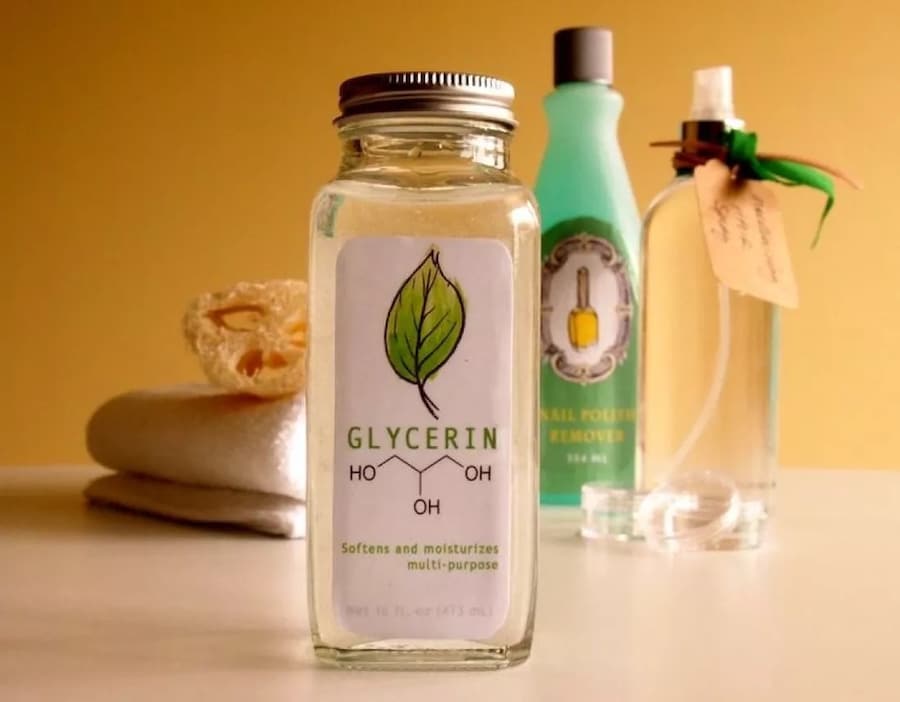
What is glycerin
Glycerin is a chemical fluid that is obtained by treating fats. They may be animal or vegetable. In the creation of cosmetics using fats of plant origin.
On the Internet you can find the separation of glycerol into natural and synthetic. However, research scientists confirmed that there is no difference between them. Moreover, it is very difficult to even distinguish glycerin of different origin.
The substance in any case is formed as a result of a chemical process, and therefore the division into natural and synthetic conditional, and the properties of glycerin remain the same. They allow nutrients to penetrate deep into the skin, moisturizing and reducing sensitivity.
Glycerin for the face: benefits
Beauticians have long noticed that glycerin has a rejuvenating effect: thanks to it, the skin becomes elastic, mimic wrinkles disappear, and the face gets a fresh and healthy look.
Glycerin, the use of which has gone beyond the pharmacological industry, is widely used to create cosmetics, including home-made. On the basis of the substance, medical lotions and masks are prepared.
Due to the effect of glycerol in the epidermis, important for beauty and health processes begin to occur, such as:
- removal of dirt, subcutaneous fat and toxins;
- acceleration of metabolism in the skin cells;
- moisturizing;
- healing of wounds and other injuries;
- elimination of peeling;
- deep nutrition dry skin;
- cell regeneration;
- protection of the skin from harmful effects from the outside.
In addition to the obvious advantages, glycerin plays an important role in the manufacture of cosmetics: it allows other components to retain their benefits longer.
Glycerin for face: harm and contraindications
Despite the benefits that glycerin brings to the skin, there are also harmful features of the substance.
So, glycerin can:
- dry skin due to its hygroscopicity;
- create toxic compounds with certain substances, such as silicone;
- worsen the skin condition during the period of inflammation and the active phase of skin diseases;
- irritate hypersensitive skin;
- aggravate oily skin and rashes if they were prior to the use of the substance;
- cause an allergic reaction.
In this regard, there are conditions under which the use of glycerin is not recommended.
Here are the main contraindications for the use of the substance:
- Do not apply pure glycerin;
- in the manufacture of cosmetics adhere to the prescribed dosage;
- do not use glycerin before going out;
- do not use glycerin regularly for a long period of time;
- Do not use glycerin in the winter, as dry air releases its negative properties;
- Do not use glycerin if you do not want to lighten the skin: the substance removes melanin, which changes the tone of the face after use;
- Do not put on your face cosmetics with glycerin without prior testing on a small area of skin.
If you take into account all the contraindications and listen to the recommendations on the use of glycerin, your skin will not suffer, but on the contrary, its condition will noticeably improve.
Monday, May 13, 2019
Why Glycerin Is the Ultimate Moisturizing Ingredient in Skin-Care Products

When you're fighting dry, winter skin, you want the best moisturizers around; we're talking the juiciest ingredients you can get your parched, cracked hands on. That's why you'll want to look for glycerin in all your skin-care products.
"Moisturizers typically contain three types of ingredients," Joshua Zeichner, director of cosmetic and clinical research in dermatology at Mount Sinai in New York City, tells Allure. There's occlusive moisturizers, which help to form a protective barrier over the skin to lock in moisture. Then there's the emollients, which smooth any rough edges on the cellular level. "Most emollient materials are oils that repel water," Perry Romanowski, a cosmetic chemist, tells Allure. "They can improve the way skin feels but don't actually moisturize."
And you can't forget about humectants, like glycerin. "Glycerin is a colorless and odorless liquid that comes from plant sources," explains Romanowski. "It is a humectant, which means it has the property of attracting water to itself."
Yeah, that's right. It's a moisturizer that actually attracts more moisture. "Glycerin is essentially like a sponge that pulls in water to the outer skin layer," Zeichner explains. "It can attract water from the deeper skin layers or even the air in humid environments." It also helps slow the evaporation of water from your skin to help foil that chronic winter dryness, adds Erin Gilbert, a board-certified dermatologist in New York City. In short, it's a skin secret weapon.
What glycerin means for your skin-care products
Because glycerin attracts water to itself, using products with the super hydrator leaves your skin with an "overall moisturizing and smoothing effect," says Gilbert. It can be a powerhouse moisturizer mixed with other emollients or even on its own. "One of the tricks I do is mix Cetaphil Moisturizing Cream and add some extra vegetable glycerin" — which you can find online — "to it and put it on my hands and feet before I go to bed," Gilbert says. It's especially effective on your most stubborn rough spots, like callouses. "The glycerin can actually signal your superficial skin cells to mature more rapidly," she says. Translation: a speedier route to soft skin.
Glycerin is also an incredibly effective moisturizer when used in a cleanser. "When cleansing the skin, it is important to remove dirt and oil, but maintain the health of the outer skin layer," explains Zeichner. "Ingredients like glycerin can help maintain hydration and prevent skin irritation during the cleansing process."
Saturday, May 11, 2019
Recovery of glycerol from alcoholized sweet water
Fatty acid ester and glycerol are the important reactions in oil chemical industry. A variety of ester products can be obtained by this reaction. The most widely used products in industry are methyl ester of fatty acid and glycerol. Fatty acid methyl ester is an important basic oil chemical raw material. Many compounds can be derived from fatty acid methyl ester. Fatty acid methyl ester has always been the research object of oil chemical workers. In recent years, due to the fierce competition in the oil price war, the contradiction between fuel supply and demand has intensified, and the research of fuel substitutes has been widely carried out. The production of biodiesel has developed to a considerable scale. The production of biodiesel has directly impacted the structure of glycerol production.
The raw materials of biodiesel are oil and methanol or ethanol. For every 10 tons of biodiesel, 1 ton of glycerol by-product is produced. Vegetable oils such as rapeseed oil, soybean oil, palm oil, butter, industrial lard and other oils can be used, as well as various kinds of recycled oils, such as fried waste oil, refined oil foot recycled oil, etc. China has made great progress in the research and production of biodiesel. At present, there are 2 million tons of low-grade oil and fat in China. There are abundant raw materials for the production of biodiesel (low-grade fatty acid esters - methyl esters, ethyl esters). It is expected that biodiesel will develop rapidly to make up for the shortage of more than one million tons per year. The rapid development of biodiesel will provide abundant raw materials for glycerol production, which will inevitably attract the attention of the glycerol industry.
The alcoholysis process of oil and fat is to produce fatty acid esters and glycerol by alcoholysis of oil and low-carbon alcohols under the condition of alkaline catalyst. In order to obtain high ester conversion rate, the grease used should be degummed and deacidified so that the acid value is less than 0.5 mg KOH/g, and methanol should be anhydrous. The alcoholysis reaction can be carried out under pressure and high temperature (9.OMPa, 240 C, glycerol concentration up to 90%) or under normal pressure of 50-70 C. There are batch and continuous processes. Intermittent production, quick product turnaround, can be applied to a variety of oils and fats raw materials. Continuous type is suitable for large-scale production with low energy consumption. The concentration of alcoholic glycerol is much higher than that of oil-hydrolyzed sweet water, which can reach more than 70%.
In order to reduce the cost of raw materials, when low-grade oils (high acid value oils) are used, pre-esterification technology can be used to make free fatty acids into fatty acid esters, and then methyl esterification can be carried out. The alcoholysis reaction under pressure and high temperature has fast reaction speed, but it requires high equipment. In order to reduce the investment cost of equipment, the reaction device under low temperature and normal pressure is often used.
Oil, methanol and catalyst (sodium methanol, etc.) were put into the reactor in batches. The material remained boiling and refluxed for 2 to 3 hours at 70 (?) C. The ester conversion rate was above 95%. If the content of free fatty acid in oil is more than 2%, the oil must be alkali refined or pre-esterified with methanol (commonly used catalysts are H2SO4, HCl, p-toluene sulfonic acid, strong acid resin, etc.) to reduce the amount of catalyst and the content of soap in sweet water. The reactant is stationary in the settling stratifier and crude glycerol is separated. Methanol in crude glycerol is evaporated and reused by methanol evaporator, and crude glycerol is sent to the post-processing and refining process. A small amount of glycerol in methyl ester is recovered by heating crude methyl ester to recover methanol, then adding water to crude methyl ester to dilute acid (3% of the reaction mixture, the amount of acid is equal to that of catalyst), so as to wash out glycerol in methyl ester and decompose soap and catalyst in methyl ester. Static stratification, crude glycerol sent to the post-processing refining process.
The raw materials of biodiesel are oil and methanol or ethanol. For every 10 tons of biodiesel, 1 ton of glycerol by-product is produced. Vegetable oils such as rapeseed oil, soybean oil, palm oil, butter, industrial lard and other oils can be used, as well as various kinds of recycled oils, such as fried waste oil, refined oil foot recycled oil, etc. China has made great progress in the research and production of biodiesel. At present, there are 2 million tons of low-grade oil and fat in China. There are abundant raw materials for the production of biodiesel (low-grade fatty acid esters - methyl esters, ethyl esters). It is expected that biodiesel will develop rapidly to make up for the shortage of more than one million tons per year. The rapid development of biodiesel will provide abundant raw materials for glycerol production, which will inevitably attract the attention of the glycerol industry.
The alcoholysis process of oil and fat is to produce fatty acid esters and glycerol by alcoholysis of oil and low-carbon alcohols under the condition of alkaline catalyst. In order to obtain high ester conversion rate, the grease used should be degummed and deacidified so that the acid value is less than 0.5 mg KOH/g, and methanol should be anhydrous. The alcoholysis reaction can be carried out under pressure and high temperature (9.OMPa, 240 C, glycerol concentration up to 90%) or under normal pressure of 50-70 C. There are batch and continuous processes. Intermittent production, quick product turnaround, can be applied to a variety of oils and fats raw materials. Continuous type is suitable for large-scale production with low energy consumption. The concentration of alcoholic glycerol is much higher than that of oil-hydrolyzed sweet water, which can reach more than 70%.
In order to reduce the cost of raw materials, when low-grade oils (high acid value oils) are used, pre-esterification technology can be used to make free fatty acids into fatty acid esters, and then methyl esterification can be carried out. The alcoholysis reaction under pressure and high temperature has fast reaction speed, but it requires high equipment. In order to reduce the investment cost of equipment, the reaction device under low temperature and normal pressure is often used.
Oil, methanol and catalyst (sodium methanol, etc.) were put into the reactor in batches. The material remained boiling and refluxed for 2 to 3 hours at 70 (?) C. The ester conversion rate was above 95%. If the content of free fatty acid in oil is more than 2%, the oil must be alkali refined or pre-esterified with methanol (commonly used catalysts are H2SO4, HCl, p-toluene sulfonic acid, strong acid resin, etc.) to reduce the amount of catalyst and the content of soap in sweet water. The reactant is stationary in the settling stratifier and crude glycerol is separated. Methanol in crude glycerol is evaporated and reused by methanol evaporator, and crude glycerol is sent to the post-processing and refining process. A small amount of glycerol in methyl ester is recovered by heating crude methyl ester to recover methanol, then adding water to crude methyl ester to dilute acid (3% of the reaction mixture, the amount of acid is equal to that of catalyst), so as to wash out glycerol in methyl ester and decompose soap and catalyst in methyl ester. Static stratification, crude glycerol sent to the post-processing refining process.
Friday, May 10, 2019
Estimate of Steam Consumption in Crude Glycerol Distillation
The heat used in crude glycerol distillation includes water evaporation, glycerol evaporation, direct (live) steam, steam jet vacuum pump and heat loss of equipment medium.
When calculating steam consumption, it is necessary to set crude glycerol concentration, water-dividing evaporation temperature, crude glycerol feed temperature, crude glycerol distillation yield, glycerol evaporation temperature, external pressure during glycerol evaporation, steam pressure, steam condensation water temperature and steam loss of surrounding equipment medium.
Examples: crude glycerol with 80% glycerol was distilled at 1000kg, feed temperature 20℃, water evaporation temperature 90℃, glycerol distillation temperature 165℃, external pressure 40 mmHg, glycerol distillation yield 97% (crude glycerol distillation yield of saponification waste liquid 96%), heated steam 0.8 MPa, steam condensation temperature 170℃, vapor consumption of surrounding media according to 10% time of steam consumption.
From the above basic data;
The amount of water evaporation is 1000×20%=200kg
The amount of glycerol evaporation is 1000×80%×97%=776kg
The amount of residue is 1000-200-776=24kg
The heat required for distilling 1000kg crude glycerol is as follows.
(1)The heat requirement of 1000kg crude glycerol heated from 20 to 90 for water evaporation is as follows:
1000×(90-20)×Specific heat capacity =1000×70×0.8706=60942kcal
200 kg water evaporation needs heat: 200×Heat of vaporization at 90℃=200×545.3=109060kcal
Q1=60942+109060=170002kcal
(2)When crude glycerol is concentrated to the evaporation temperature of glycerol at 165℃, the heat required is as follows:
Q2=800×(165-90)×Specific heat capacity=800×75×0.71=42600kcal
(3)The heat required for glycerol evaporation is Q3=776×heat of vaporization=776×203.7(165℃)=158071.2kcal
(4)Direct steam consumption. When steam distillation is used, direct steam injection can reduce the vapor pressure of glycerol, accelerate the material circulation and improve the heat transfer effect. The amount of direct vapor can be calculated from the relationship between Dalton's partial pressure law (total vapor pressure equals the sum of the partial pressures of each component) and glycerol's boiling point at different pressures.
(5)The heat loss of vapor in the surrounding medium is as follows: Q=(Q+Q2+Q3)×10%=370673.2*0.1=37067.32Kcal
When calculating steam consumption, it is necessary to set crude glycerol concentration, water-dividing evaporation temperature, crude glycerol feed temperature, crude glycerol distillation yield, glycerol evaporation temperature, external pressure during glycerol evaporation, steam pressure, steam condensation water temperature and steam loss of surrounding equipment medium.
Examples: crude glycerol with 80% glycerol was distilled at 1000kg, feed temperature 20℃, water evaporation temperature 90℃, glycerol distillation temperature 165℃, external pressure 40 mmHg, glycerol distillation yield 97% (crude glycerol distillation yield of saponification waste liquid 96%), heated steam 0.8 MPa, steam condensation temperature 170℃, vapor consumption of surrounding media according to 10% time of steam consumption.
From the above basic data;
The amount of water evaporation is 1000×20%=200kg
The amount of glycerol evaporation is 1000×80%×97%=776kg
The amount of residue is 1000-200-776=24kg
The heat required for distilling 1000kg crude glycerol is as follows.
(1)The heat requirement of 1000kg crude glycerol heated from 20 to 90 for water evaporation is as follows:
1000×(90-20)×Specific heat capacity =1000×70×0.8706=60942kcal
200 kg water evaporation needs heat: 200×Heat of vaporization at 90℃=200×545.3=109060kcal
Q1=60942+109060=170002kcal
(2)When crude glycerol is concentrated to the evaporation temperature of glycerol at 165℃, the heat required is as follows:
Q2=800×(165-90)×Specific heat capacity=800×75×0.71=42600kcal
(3)The heat required for glycerol evaporation is Q3=776×heat of vaporization=776×203.7(165℃)=158071.2kcal
(4)Direct steam consumption. When steam distillation is used, direct steam injection can reduce the vapor pressure of glycerol, accelerate the material circulation and improve the heat transfer effect. The amount of direct vapor can be calculated from the relationship between Dalton's partial pressure law (total vapor pressure equals the sum of the partial pressures of each component) and glycerol's boiling point at different pressures.
(5)The heat loss of vapor in the surrounding medium is as follows: Q=(Q+Q2+Q3)×10%=370673.2*0.1=37067.32Kcal
Thursday, May 9, 2019
WHY GLYCERIN USP?
WHY GLYCERIN USP?
The purpose of this brochure is to provide information, ina convenient Q&A format, about glycerin USP and thecomparable food grade glycerin. Glycerin USP and foodgrade glycerin meet the requirements mandated by U.S.Food & Drug Administration (FDA) regulations for use infoods, drugs, medical devices and certain other productsrequiring ingredients of the highest purity.
WHAT IS GLYCERIN?
Glycerin, sometimes spelled glycerine, is a commercial productwhose principal component is glycerol. The terms glycerin,glycerine, and glycerol are often used interchangeably inthe literature.Glycerin is one of the most versatile and valuable chemicalsubstances known to man. It possesses a unique combinationof physical and chemical properties that are utilized inmyriad products. Glycerin has over 1,500 known end uses,including many applications as an ingredient or processingaid in cosmetics, toiletries, personal care, drugs, and foodproducts. In addition, glycerin is highly stable under typicalstorage conditions, compatible with many other chemicalmaterials, virtually non-toxic and non-irritating in its varieduses, and has no known negative environmental effects.A water clear, odorless, viscous liquid with a sweet taste,glycerin is derived from both natural and petrochemicalfeedstocks. It occurs in combined form (triglycerides) in allanimal fats and vegetable oils and constitutes, on average,about 10 percent of these materials. Glycerin is obtainedfrom fats and oils during soap and fatty acid production andby transesterification (an interchange of fatty acid groupswith another alcohol). It is subsequently concentrated andpurified prior to commercial sale. Synthetic glycerin isproduced from petrochemical building blocks via severalprocessing steps designed to achieve the desired concentrationand high product quality. Glycerin, whether recovered fromtriglycerides or synthesized,is principally used as a highlyrefined and purified product, with a very high concentrationof glycerol.Glycerol, the main component of glycerin, has the chemicalformula C3H5(OH)3
.It is a trihydric alcohol, possessing two primary and one secondary hydroxyl groups, which areits potential reaction sites and the basis for glycerin’s versatilityas a chemical raw material. For example, glycerol esters, thereaction products of glycerin with various fatty acids form animportant class of derivatives that are extensively used in thefood industry. The physical properties and characteristics of glycerin are as significant as its chemical properties for manyapplications. These qualities enable glycerin to be used as ahumectant, plasticizer, emollient, thickener, solvent, dispersingmedium, lubricant, sweetener, bodying agent, antifreeze andprocessing aid. It is not unusual for glycerin to contributetwo or more features or attributes to a product or application.In all applications, whether as a reactant or as an additive,the virtual non-toxicity and overall safety of glycerin isalways of significant benefit. Glycerin applications appear tobe limited only by the imagination and creativity of thescientific and technical communities.Most of the glycerin marketed today is manufactured tomeet the stringent requirements of the United StatesPharmacopeia (USP) and the Food Chemicals Codex(FCC). However, technical grades of glycerin that are notcertified as USP or FCC are available. Glycerin is used inmany consumer products such as personal care preparations,cosmetics, pharmaceuticals and foods because of its
Subscribe to:
Posts (Atom)