Monday, October 8, 2018

What are Glycerin Suppositories?

Glycerin suppositories are a type of medication that is placed directly into the rectum in order to relieve mild to moderate constipation. Most of the time they come in a torpedo-shaped capsule. The outer layer has a gelatin cover that will typically break down shortly after it enters the body, revealing glycerin in either liquid or solid form. Glycerin absorbs water and can soften stool, making it easier for a person to pass; the capsules also provide lubrication that can help reduce straining. These types of suppositories can get faster results than many oral laxatives, but in most cases they only work for blockages located in the lower intestine. They are generally considered safe though some medical experts discourage regular use because people can sometimes become dependent, and also because excessive exposure to glycerin can wear down the lining of the small intestine over time.

How They Work


The main goal behind most suppositories is to soften stool and make it easier and less painful to pass. Glycerin is unique in that it is a naturally occurring substance made primarily of sugar and alcohol that dissolves quickly and provides exceptional lubrication. These sorts of suppositories are usually made of hardened glycerin that will melt once in contact with the body’s internal heat; some also contain liquid that is released once the outer cover dissolves.

In either case, the substance, if properly inserted high in the rectum, will stimulate the intestinal tract, absorb moisture from the immediate environment, and lubricate the way for stool to move down and out of the body. People usually take this sort of medication when they’ve been constipated for a few days or when surgery or other medical issue — childbirth is a common one — makes it painful to strain or push stool out naturally. It is best for mild to moderate blockages, and isn’t normally strong enough to combat serious intestinal issues.

Basic Usage Instructions


Glycerin suppositories must be inserted directly into the rectum, usually with one or two fingers. Manufactures often recommend that people use a glove coated with a water-based lubricant to push the suppository, which makes it easier to get it high up because it reduces friction; wearing a glove is also a good way to prevent the spread of germs and bacteria. Ideally the suppository should be held in place for about a minute in order to prevent it from being forced out.

Many people find it helpful to lie down on their side and clench the anal muscles for several minutes after use to help keep the suppository in place. This may speed up the dissolving process. It’s also usually suggested that people wait at least 15 minutes before using the bathroom to get the best effect. This can be challenging because the urge to “go” gets tends to get strong when a suppository is in place. Still, even if people use the toilet and expel the suppository before the 15 minutes are up, they may retain some of the benefits and constipation could still be alleviated.

Different Kinds of Constipation


These sorts of suppositories usually only work to address constipation in the lower bowel. In most cases they works through direct contact, and as such they’re best suited in situations when fecal matter is hardened and difficult to pass near the rectal opening. If the blockage is in the upper gastrointestinal areas the glycerin may not do much at all, since it likely won’t be able to reach the problem. Oral laxatives are often better in these situations.

Risks and Warnings


Some experts have expressed concern that using these suppositories too often may create a dependence on them, to the extent that people may find it very difficult to have bowel movements without using one. Most medical professionals don’t recommend that people use these for more than about a week at a time. People who have constipation lasting longer than this may have a chronic condition that needs more aggressive treatment.

There are also some concerns in the medical community that repeated use of suppositories of any kind can damage the tissue lining the intestine and colon. This sort of damage is usually only seen with extensive use over a long period of time, but it is something patients should consider. Most suppositories are intended for adult use, too, and should not be given to children or infants without express direction from a medical care provider.

Friday, October 5, 2018

What is Vegetable Glycerin?

Glycerin, also known as glycerol, is an organic compound of carbon, hydrogen and oxygen with the chemical formula C3H8O3. It is produced industrially, usually as a by-product of soap manufacture, from oils and fats. It can be made from animal fat or, in the case of vegetable glycerin, vegetable oil. The source of the raw material does not affect the chemistry of the final product, but, since glycerin is widely used in foods and medications, this distinction is important for vegetarians. It is also used as a sweetener and as an ingredient in a number of cosmetic products.

Structure and Properties

The compound consists of a chain of three carbon atoms, to which are attached hydrogen atoms on one side and hydroxyl (OH) groups on the other. The three OH groups form hydrogen bonds between molecules, giving the compound a syrup-like viscosity and allowing it to dissolve easily in water. Chemically speaking, glycerin is an alcohol, but for food purposes, it is classed — in the USA — as a carbohydrate by the Federal Food and Drug Administration (FDA), because it provides calories and is not a fat or a protein.
Pure glycerol does not crystallize easily, but it can be chilled to form a solid that melts at about 64.4°F (18°C). It lowers the freezing point of water, however, by an amount that depends on the concentration. For example, a 66.7% solution freezes at -51°F (-46.1°C). For this reason, it can be used as non-toxic antifreeze and for storing sensitive liquids, such as enzymes, in laboratory freezers.

Manufacture

Glycerol forms the “backbone” of many lipids, or oils and fats, and there are various processes that can be used to extract it from these substances. Most glycerin is made as a by-product of the manufacture of soap. In this process, either animal fat or vegetable oil can be used. It is heated with a strong alkali, usually caustic soda (sodium hydroxide), which produces soap and a solution of glycerin in water. This solution is then purified by distillation.
Vegetable glycerin can also be made directly from vegetable oil — often coconut or palm oil — by heating it to a high temperature under pressure with water. The glycerin backbone splits off from the fatty acids, and is absorbed by the water, from which it is then isolated and distilled to obtain the pure product. Food-grade vegetable glycerin is 99.7% pure, with the remaining 0.3% being water.
The interest in biodiesel fuel has resulted in the production of large amounts of low quality, non-food grade vegetable glycerin as a by-product. Purifying the liquid is not considered economically viable and it cannot be casually disposed of as it contains toxic methanol, which is used in the manufacturing process. As of 2013, there is much research into finding a use for this substance — something that does not require high purity glycerin. One promising possibility is to use it as a precursor in the production of some useful plastics.

Main Uses

Glycerin is widely used in the food industry for two main reasons: it has a sweet taste, but has fewer calories than sugar; and it is hygroscopic, that is, it absorbs moisture from the air. It is therefore used both to sweeten foods and to keep them moist. The compound is metabolized more slowly than sucrose — the type of sugar most commonly found in candy and in processed foods — and therefore does not have such a dramatic effect on blood sugar levels. It also does not contribute to bacterial tooth decay. Foods marketed as being low in carbohydrates are often sweetened with glycerin.
Another major use is in the cosmetics industry. Due to its hygroscopic properties, it is used in many moisturizing skin products, as it seems to help relieve dry skin problems by drawing water up from the lower layers. It is also a component of glycerin soap, which is often used by people with sensitive skin. Lotions containing this compound are also popular.
Vegetable glycerin can be used as a substitute for ethanol — the chemical commonly called “alcohol” — in making botanical extracts, such as herbal essences. It acts as a solvent that dissolves the substances of interest from the raw plant material. The advantage of this is that people who do not want to be exposed to alcohol can still have access to the botanical products. The disadvantage is that the resulting products have a much shorter shelf life.
There are also medical uses for vegetable glycerin. It is a common ingredient in cough mixtures, due to its soothing properties. Other applications are as a topical remedy for a number of skin problems, including psoriasis, rashes, burns, bedsores and cuts; as a laxative, in the form of suppositories; and to treat gum disease, as it inactivates the associated bacterial colonies.

What is Vegetable Glycerin?

Glycerin, also known as glycerol, is an organic compound of carbon, hydrogen and oxygen with the chemical formula C3H8O3. It is produced industrially, usually as a by-product of soap manufacture, from oils and fats. It can be made from animal fat or, in the case of vegetable glycerin, vegetable oil. The source of the raw material does not affect the chemistry of the final product, but, since glycerin is widely used in foods and medications, this distinction is important for vegetarians. It is also used as a sweetener and as an ingredient in a number of cosmetic products.

Structure and Properties


The compound consists of a chain of three carbon atoms, to which are attached hydrogen atoms on one side and hydroxyl (OH) groups on the other. The three OH groups form hydrogen bonds between molecules, giving the compound a syrup-like viscosity and allowing it to dissolve easily in water. Chemically speaking, glycerin is an alcohol, but for food purposes, it is classed — in the USA — as a carbohydrate by the Federal Food and Drug Administration (FDA), because it provides calories and is not a fat or a protein.

Pure glycerol does not crystallize easily, but it can be chilled to form a solid that melts at about 64.4°F (18°C). It lowers the freezing point of water, however, by an amount that depends on the concentration. For example, a 66.7% solution freezes at -51°F (-46.1°C). For this reason, it can be used as non-toxic antifreeze and for storing sensitive liquids, such as enzymes, in laboratory freezers.

Manufacture


Glycerol forms the “backbone” of many lipids, or oils and fats, and there are various processes that can be used to extract it from these substances. Most glycerin is made as a by-product of the manufacture of soap. In this process, either animal fat or vegetable oil can be used. It is heated with a strong alkali, usually caustic soda (sodium hydroxide), which produces soap and a solution of glycerin in water. This solution is then purified by distillation.

Vegetable glycerin can also be made directly from vegetable oil — often coconut or palm oil — by heating it to a high temperature under pressure with water. The glycerin backbone splits off from the fatty acids, and is absorbed by the water, from which it is then isolated and distilled to obtain the pure product. Food-grade vegetable glycerin is 99.7% pure, with the remaining 0.3% being water.

The interest in biodiesel fuel has resulted in the production of large amounts of low quality, non-food grade vegetable glycerin as a by-product. Purifying the liquid is not considered economically viable and it cannot be casually disposed of as it contains toxic methanol, which is used in the manufacturing process. As of 2013, there is much research into finding a use for this substance — something that does not require high purity glycerin. One promising possibility is to use it as a precursor in the production of some useful plastics.

Main Uses


Glycerin is widely used in the food industry for two main reasons: it has a sweet taste, but has fewer calories than sugar; and it is hygroscopic, that is, it absorbs moisture from the air. It is therefore used both to sweeten foods and to keep them moist. The compound is metabolized more slowly than sucrose — the type of sugar most commonly found in candy and in processed foods — and therefore does not have such a dramatic effect on blood sugar levels. It also does not contribute to bacterial tooth decay. Foods marketed as being low in carbohydrates are often sweetened with glycerin.

Another major use is in the cosmetics industry. Due to its hygroscopic properties, it is used in many moisturizing skin products, as it seems to help relieve dry skin problems by drawing water up from the lower layers. It is also a component of glycerin soap, which is often used by people with sensitive skin. Lotions containing this compound are also popular.

Vegetable glycerin can be used as a substitute for ethanol — the chemical commonly called “alcohol” — in making botanical extracts, such as herbal essences. It acts as a solvent that dissolves the substances of interest from the raw plant material. The advantage of this is that people who do not want to be exposed to alcohol can still have access to the botanical products. The disadvantage is that the resulting products have a much shorter shelf life.

There are also medical uses for vegetable glycerin. It is a common ingredient in cough mixtures, due to its soothing properties. Other applications are as a topical remedy for a number of skin problems, including psoriasis, rashes, burns, bedsores and cuts; as a laxative, in the form of suppositories; and to treat gum disease, as it inactivates the associated bacterial colonies.

Thursday, October 4, 2018

What Are the Different Uses of Glycerin from Biodiesel?

Crude glycerol or glycerin is one of the byproducts of biodiesel production. Crude glycerin is not suitable for most commercial applications due to high impurity levels and requires further refinement prior to marketing. After refinement, the purified glycerin may be used in the same applications as conventionally produced varieties including food and pharmaceutical products, cosmetics, and chemical formulations. Refining crude glycerin is expensive, however, and the economics of the process have forced biodiesel producers to seek commercially viable uses for the crude product such as composting, combustion, animal feed, and explosives.
The use of glycerin from biodiesel can be divided into two categories: refined products which meet commercial pure glycerin standards and those based on unrefined crude glycerin. The refine ment of crude glycerin removes methanol, free fatty acids, calcium, magnesium, and sulfur and ensures minimum concentrations of glycerol, the active component in glycerin, of 80%. Pure glycerin refined from crude biodieselbyproducts is essentially the same as that produced by other means and may be employed in the similar applications. Crude glycerin, on the other hand, is either used as-is or partially refined.
Refined glycerin from biodiesel is used in a number of industries including food processing, pharmaceutical manufacture, and chemical formulation. The food industry utilizes glycerin as a sweetener, solvent, and thickener. It is also used as a humectant to keep foodstuff moist and as a filler in many low fat products. Pure glycerin from biodiesel is also included in many low glycemic index (GI) foods because it has around the same calorific or food energy value as table sugar but does not raise blood sugar levels.
The pharmaceutical industry uses refined glycerin from biodiesel in a number of medical and personal care products as a lubricant, humectant, and texture improving agent. These products include cough syrups, expectorants, toothpaste, skin care products, and shaving cream. Soap, hair care products, and personal lubricants also feature glycerin as an additive. Glycerin is also commonly used as a tablet holding agent in the formulation of solid dosage medication.
The chemical industry has several applications for purified glycerin from biodiesel. These applications include fuel additives such as glycerin acetate, a component in surface coatings, and as additives in artists paints. Glycerin is also found in paper manufacturing formulations, dyes, and inks and antifreeze agents.
Crude or partially refined glycerin is used in a number of industries which do not require high levels of purity. These include explosive production, aerobic composting, and a range of animal feed products. Biodiesel derived glycerin is also added to dust suppressant products and has been utilized as a base for combustion fuel pellets.

Wednesday, October 3, 2018

The Benefits of Glycerin for Skin

Moisturizing: Glycerin acts as a very effective moisturizer on the skin. It makes your skin absorbs water from air reducing the dry and dull patches on your skin. It’s therefore very useful in winters as well. Glycerin can be applied directly onto the skin as a moisturizer. Dab a cotton ball with glycerin and apply it onto your skin. Wow, you will feel your skin gets soft, supple and hydrated immediately on its application. It adds hydration and health to your skin. Glycerin is also known for its meditative properties that work to heal dry, rough and irritated skin.
Smoothing: As the skin ages, it looks dull and gets susceptible to irritation, redness and many other conditions, such as dry skin due to losing its ability to retain moisture. With aging, your skin gets rough – but using glycerin regularly can make your skin smooth and prevent other problems associated with dryness. This also helps in smoothing your skin and face by filling in the tiny cracks in the dry skin.
Maintains Water Balance:  Humectants in glycerin attract water from air and help in retaining water in the skin. When glycerin or glycerol is applied to the skin, it minimizes water loss due to evaporation and maintains the skin’s water balance on an intercellular level– so keeps the skin well hydrated and nourished.
Nourishes Skin: Because of its skin nourishing properties, glycerin can be used every day. Its regular use will help to keep your skin healthy, soft and fresh.
Enhances Skin Appearance: Glycerin acts as an emollient that keeps your skin not only moist, but soft and supple to touch. It makes your skin looks healthier and attractive, devoid of the scaly looks and other characteristics of dry skin. Its therapeutic effects on wounds and other skin disease also lead your skin to look healthier and smoother.
Heals Skin:  Glycerin is able to guide cells to grow and mature more effectively, thus helping the skin heal. Glycerin also acts as a natural medication for fungal infections like eczema and psoriasis, by reducing bruising and helping the infected tissue and cells to repair themselves more quickly.
Protects Skin:  Glycerin increases the thickness of the epidermal layer and improves barrier function. It helps keep harmful chemicals and environmental elements sout of the skin and locks moisture in.

Tuesday, October 2, 2018

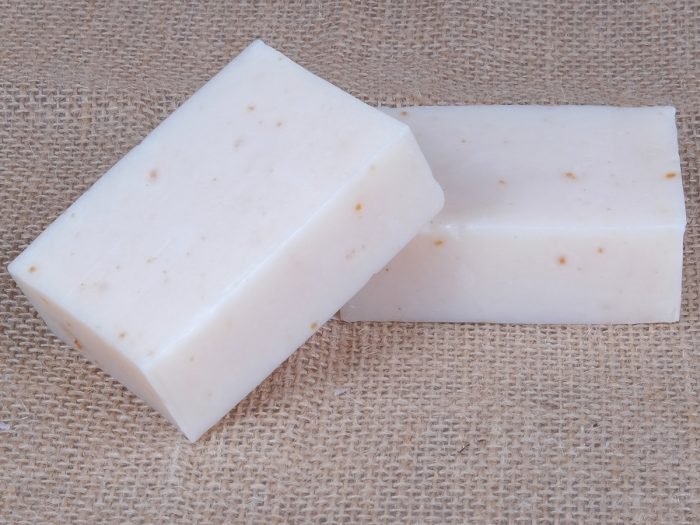
GLYCERIN SOAP PROPERTIES

What is glycerin soap?

It is a soap whose base is made up of glycerin. In addition to the glycerin, it contains natural colourings and flavors that give it beauty and fragrance.

Characteristics of glycerin soap

Glycerine soaps are neutral soaps, that’s to say, with a pH similar to the skin pH, so they can eliminate impurities without being aggressive.
They are different to industrial soaps, most of which contain animal fats and usually affect the skin and cause flaking, irritation, dry skin, etc.

Properties of glycerin soap

glycerin
Glycerin soap
  • Glycerin soap for oily skins: In general glycerine soap is used for oily skin for its specific character which tends to close the sebaceous glands. It is a kind of soap with a neutral and longlasting action. Suitable for the treatment of acne, pimples, blackheads, oily skin, etc.
  • Glycerin soap for delicate skins: At the same time it is considered very useful for fine and sensitive skins, that are those types of skin that suffer most from the external aggressions. People with these skin types, if they wash their face with this type of soap, will help reinforce it and keep it under better conditions.
In its preparation, aromatic plant extracts may be added to provide the aroma and, at the same time, to contribute with their therapeutic values.

Is glycerine soap safe?

Glycerine soap is considered very safe. It is biodegradable by the action of water and sun.

How to get glycerine soap?

It is advisable to buy the glycerin soap in health food stores, so that it can free of detergents or substances which are not suitable for the skin.
You can also prepare glycerin soap at home with an easy homemade formula. Although the preparation of this type of soap is not cheap, it produces a very high quality soap.

Monday, October 1, 2018

3 Amazing Ways To Use Glycerin For Clear Skin

Glycerin is a colorless and odorless liquid that is derived from plant sources. For long, it has been in use in the beauty world for its incredible skin benefiting properties. While most beauty products may contain glycerin as one of its ingredients, you can also use it straight away to take care of your skin. Here are three easy ways to make glycerin a part of your beauty routine:

1. As a cleanser

Glycerin mainly consists of sugars and alcohol organic compounds. It has this amazing ability to deeply cleanse the skin by removing excess oil, dirt and even makeup. As such, rather than cleansing milks, you can make use of glycerin to clean your face. Wet your face and then take a few drops of glycerin on a cotton ball and apply all over. You can also add in three tablespoons of milk to one tablespoon of glycerin and leave it on overnight.

2. To moisturise the skin

For those who constantly have to deal with dry skin, glycerin can help a great deal it locking moisture and keeping the skin soft. It is known to be a humectant that helps in slowing down the evaporation of water from your skin and keeping it hydrated. Moreover, it improves skin permeability and promotes cell growth. Apply glycerin directly on your skin or mix it with vitamin E oil. Massage onto your skin before going to bed and leave it on overnight.

3. To fight against skin breakouts

Glycerin suits all skin types as it is extremely gentle on the skin. The plant-based oil helps fight against skin irritation and rashes, and because it is non-greasy, it can keep your skin hydrated without triggering excessive sebum production that leads to skin breakouts like acne and pimples. Take one part glycerin and two parts rose water, and use it as a skin toner. Use this readily available ingredient to take care of your skin and keep it flawless.