Friday, March 22, 2019

Enzymatic Analysis of Glycerol

There are many reports of enzymatic determination of glycerol, but there are basically three enzymes. That is, glycerol oxidase, glycerol inactivating enzyme, glycerol dehydrogenase.


  • Oxidase method


If glycerol is decomposed by glycerol oxidase, it is converted to glyceraldehyde and hydrogen peroxide. The hydrogen peroxide was synthesized by peroxidase and 4-aminoantipyridyl carbamate and phenol to form red compounds. The spectroscopic analysis was carried out at 546 nm. In addition, the oxygen consumed can also be determined directly with an oxygen electrode.


  • Activating Enzyme Method


In the presence of ATP (adenosine triphosphate), glycerol is decomposed by glycerol-inactivating enzymes and converted to glycerol phosphoric acid and ADP (adenosine diphosphate).

glycerol + ATP →Glycerol-3-phosphoric acid +  ADP

Glycerol was quantitatively determined by the following enzymatic reactions with glycerol-3-phosphate and adenosine diphosphate.

In the presence of oxygen, when glycerol-3-phosphoric acid is used, glycerol-3-phosphoric acid reacts with oxidase and converts to dihydroxyketone phosphoric acid and hydrogen peroxide. At this time, the content of glycerol can be quantitatively determined by directly measuring the consumption of oxygen or by using oxygen electrode to determine the consumption of oxygen.

In addition, hydrogen peroxide can be quantitatively determined by spectroscopic analysis at 546 nm, using peroxidase and 4-aminoantipyridine and phenol to form red compounds.

In addition, glycerol-3-phosphate and NAD [coenzyme A (pyridine diphosphate nucleotide)] were transformed into dihydroxy ketone phosphate and NADH (reductive coenzyme A) by glycerol phosphorus dehydrogenase. The NADH was analyzed at 340 nm, and the content of glycerol could be quantitatively determined.

Glycerol-3-phosphoric acid +NAD →Dihydroxy ketone phosphoric acid+NADH

When ADP (adenosine diphosphate) is used, phosphoenol group and ADP are converted to pyruvate and A TP (adenosine triphosphate), then pyruvate and NAD (coenzyme A) are reacted to convert pyruvate (lactic acid) dehydrogenase to pyruvate and NADH (reduced coenzyme A).

ADP+Phosphoenolenol→ Pyruvic acid+ATP
Pyruvic acid+NAD→pyruvate+NADH

The determination of NADH can quantitatively determine glycerol.


  • Dehydrogenase Method


The glycerol is decomposed by glycerol dehydrogenase and converted into dihydroxy ketone and NADH.

Glycerol+NAD(CoA)Dihydroxyketone+NADH

The reaction of NADH or nitrotetrazolium salt, one of the tetrazolium salts, with NADH was directly determined to form L-4-acetyl-5-aminomethyl pyrrole. The spectra were analyzed at 546 nm.

According to this fermentation method, triglycerides can be quantitatively determined. That is to say, glycerol and fatty acid are converted by lipase or esterase, and the content of glycerol ester is calculated by quantitative determination of glycerol. This method has been used in blood tests and so on.

Wednesday, March 20, 2019

Medicinal Uses of Glycerin


Glycerin, also referred to as glycerol or glycerine, is a colorless, odorless organic liquid derived from fats and oils. It is thick, with a warm, sweet taste. Glycedrin is used in industrial applications, food preparation and in personal care products. It also has medicinal uses, and is often an ingredient in pharmaceuticals.


Eye Disorders


Glycerin is used to treat eye disorders that are caused by increased interocular pressure, such as glaucoma. It can also be used to decrease pressure in the eye before and after ocular surgery, or during a medical eye examination.


Cerebral Edema


Intravenous preparations of glycerin may be used to treat excessive intracranial pressure. Glycerin draws fluid from tissues in the body into the bloodstream, and also acts as a diuretic by preventing water re-absorption in the kidneys. These actions dehydrate the tissues while reducing blood volume, thereby diminishing intracranial pressure.


Vasodialator


Glycerin is a primary constituent of nitroglycerin. Better known for its explosive properties, nitroglycerin is also used as a treatment for angina, a painful condition caused by constriction of the blood vessels in the heart. Nitroclycerin, when taken orally, acts as a vasodialator, rapidly opening the blood vessels in the body to provide greater blood flow and oxygen perfusion to the heart.


Constipation


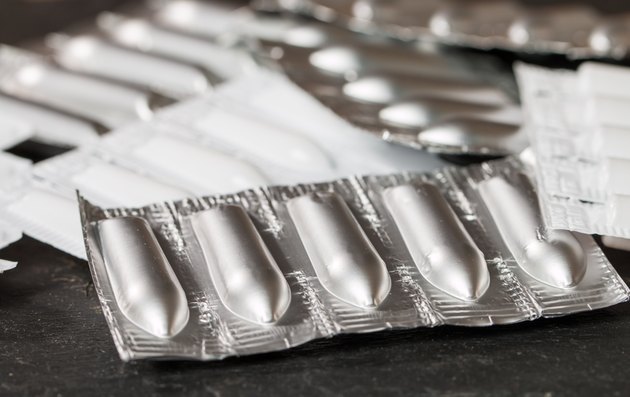
Glycerin works as a softening agent and lubricant in cases of constipation. A glycerin suppository, inserted into the rectum, melts at body temperature. The glycerin then causes water to be drawn into the colon and rectum, softening the stool and lubricating the bowels, allowing for an easier bowel movement.


Vehicle for Other Medications


Due to its emollient, solvent, sweetening and moisturizing properties, glycerin is frequently used as an ingredient in other pharmaceutical preparations. It is used in tinctures and elixirs, such as Theophylline, which is used to treat asthma. Glycerin is also used in ointments and creams to prevent them from drying out, and can act as a preservative.


Tuesday, March 19, 2019

How to Cook With Vegetable Glycerin


A sweet, slippery liquid, glycerin forms the backbone of fat and oil molecules. You can get food-grade glycerin, a byproduct of soap making, in bottles at drugstores, health-oriented grocery stores or the baking sections of supermarkets. Glycerin fills a useful role in cakes, cookies, icings candy and fudge by binding water in a form that makes its unavailable to molds, allowing baked goods to stay fresher longer. Glycerin has about 27 calories per teaspoon and is 60 percent as sweet as sugar.


Step 1


Add a few drops of glycerin to recipes for royal icing for cakes and cookies to prevent the icing from drying out and forming a crust. Mix the glycerin with powdered sugar, egg whites and lemon juice.


Step 2


Combine 1 to 2 tbsp. of glycerin with confectioner's sugar, light corn syrup, water and unflavored gelatin to make fondant, a confectioner's sugar frosting often used on wedding cakes. The glycerin keeps the fondant moist and malleable, master baker and teacher James Peterson notes in his text "Baking."


Step 3


Add glycerin along with corn syrup, water, butter and salt to sugar and cornstarch to make saltwater taffy. Stir the ingredients in a saucepan over medium heat. Stir the mixture until it begins to bubble and then let it cook without being disturbed until soft cracks appear, recommends the online site Science of Cooking. Add flavoring and food coloring and pour the mixture onto a shallow cookie sheet to cool.


Step 4


Make nutrition bars by combining cereal or granola and whey protein in a mixer bowl. Add butter and vegetable oil to the bowl, followed by glycerin and water. Roll out the mixture to 3/8 inch, cut into pieces and bake at 400 F for 10 minutes.


Monday, March 18, 2019

Glycerin Ingredients


Glycerin is a highly unique compound that is used to both moisturize your skin and provide anti-freeze for your car. Glycerin is also known as glycerol, glycerine, propane-1, 2, 3-triol, or 1,2,3-propanetriol. This simple chemical compound has a variety of uses in manufacturing, research, and cosmetic products. Often removed from more profitable soaps, and lotions, glycerin is the natural byproduct of the soap making process.


Chemistry


Glycerin is a very short molecule, having the chemical formula C3H8O3. It is composed of three carbon atoms, five hydrogen atoms, and three hydroxy or OH groups.The hydroxy groups are known as the functional alcohol groups, placing glycerin in the alcohol group of chemical compounds (reference 3).


Physical Properties


Glycerin is an odorless, thick, sweet-tasting, syrupy liquid (see reference 2 and 3). Pure glycerin has a specific gravity of 1.26, meaning that it is slightly more dense than water (see reference 2). Glycerin can freeze into a gummy paste and has a high boiling point. Glycerin readily dissolves water and alcohols but not oil-based compounds.


Glycerin is extremely hygroscopic, meaning that it attracts moisture. Exposed to air, pure glycerin will eventually become 80 percent glycerin and 20 percent water. Placed on your tongue, pure glycerin will cause excessive dehydration and result in blistering, as it draws moisture out of your tongue. Glycerin diluted with water, however, will soften skin. It is not clear, however, whether or not it is the hydrogscopic properties of glycerin that cause skin softening or some other mechanism (see reference 1).


Sources


Natural glycerin is found in animal and plant fats. Triglycerides, or fats, are composed of three long hydrocarbon chains linked to a glycerin backbone molecule through the functional OH groups (see reference 3). When broken down, triglycerides form three long hydrocarbon chains and one glycerin molecule. The hydrocarbons provide the fuel, the glycerin is the byproduct.


Similarly, when fats and oils are hydrolyzed to yield fatty acids or soaps, glycerin is formed.


Glycerin is also commercially synthesized from propylene and can be obtained during fermentation as well, although the specific process by which that can be made to occur is proprietary (see reference 2).


Uses


Glycerin is a solvent, food additive, sweetening agent and emollient as well as a demulcent, an agent that forms a soothing film (see reference 2). Glycerin can be used to treat septic wounds and boils, a component of antifreeze, in the manufacture of resins and cellophane, ester gums, plasticizers, dynamite, nitroglycerine, cosmetics, liquid soap, perfume and toothpaste. It also helps keep fabrics pliable, preserves the printing on cotton, and prevents frost from forming on windshields. In research, glycerin is often used as the source of nutrients for fermentation cultures and can act as a preservative as well.(reference 2)


Sunday, March 17, 2019

The Effects of Glycerin on Skin


As the "clean beauty" industry grows, customers have started to scrutinize the list of ingredients of their favorite personal care products. Between 2013 and 2017, "natural" product sales grew 2.1 percent — to the tune of $230 million — and it's clear that manufacturers need to be ready to answer questions about what's going into these items.


However, it's not always easy for the layperson to understand what the ingredients in their beauty products truly are. Take, for example, glycerin — this scientific-sounding ingredient might sound alarm bells when it shows up in moisturizers or cleansers, but it's actually an ingredient that does a lot of good for both skin and hair.


What Is Glycerin?


Glycerin, also known as glycerol, might sound like a manufactured ingredient, but it falls squarely into the "natural compound" category. The compound occurs naturally in both plant and animal fats as a component of lipids—which is simply a fancy term for "fats"—and, when it undergoes a process known as hydrolysis, the lipids separate into three fatty acids that form glycerin. However, there's a caveat to this: There is a synthetic form of glycerin out there, which is why reading labels is a great habit to form.


In beauty products, glycerin serves as a humectant, which is a substance the attracts moisture. It pulls the water from deeper skin layers up to the surface to combat dry skin, as well as draws in moisture from the air and slows its evaporation on your skin. Glycerin is the third most common ingredient in cosmetics, according to a 2014 Cosmetic Ingredient Review report.


Is Glycerin Safe?


In short, glycerin is safe. The EWG's Skin Deep Cosmetics Database, a nonprofit that tracks the safety of ingredients in food and cosmetics, gave glycerin a score of two out of 10, meaning it's low-hazard.


The U.S. Food and Drug Administration does not have any restrictions on the use of glycerin as an ingredient in personal care products. However, Canada's Cosmetic Ingredient Hotlist placed glycerin on the "restricted" list in September 2009, noting that manufacturers must provide the exact concentration of the ingredient on the product's label. According to EWG, it was added as a restrict because of possible contamination of glycerine with diethylene glycol (DEG), a potentially toxic ingredient.


Is Glycerin Good for Your Skin?


Through its ability to pull moisture to the surface from both the inner layers of the skin and from the environment, glycerin can work wonders for your skin's outer layer. It's also non-comedogenic, so you don't have to worry about it clogging up your pores and causing breakouts. Glycerin boasts a few other benefits, too, including the ability to strengthen and heal your skin's outermost layer, which also helps keep the skin moist and supple.


Crude glycerol as fuel additive

Glycerol alkyl ether is a good fuel additive, which can improve fuel performance, increase cetane number, increase fluidity, reduce the composition and content of harmful substances in combustion tail gas, and be used as additives for diesel and biodiesel.The application of crude glycerol in this technology can not only utilize the by-product glycerol of biodiesel, but also obtain high value-added glycerol alkyl ether fuel additive. Among them, glycerol tert-butyl ether obtained by the reaction of glycerol with isobutene or tert-butyl alcohol is a promising additive. Adding glycerol tert-butyl ether to diesel fuel can significantly reduce the content of particulate matter, hydrocarbons and carbon monoxide in tail gas.KARINEN et al. investigated the etherification of crude glycerol with isobutene in liquid phase catalyzed by acidic ion exchange resin. It was found that the main reaction in the whole process was etherification. The main products were five kinds of ethers, and the side reaction was oligomerization of isobutene, resulting in hydrocarbons of C8-C16. Moreover, when the molar ratio of isobutene to glycerol was 3:1 and the reaction temperature was 80 C, the selectivity of the reaction was the best. The composition of ether products and the degree of etherification reaction can be controlled by changing reaction conditions.KIATKITTIPONG et al. used fluidized bed catalytic cracking (FCC) gasoline and glycerol as reactants and Amberlyst 16, Amberlyst 15, and beta-zeolite as catalysts to investigate the effect of etherification process on the performance of FCC gasoline. The results showed that the olefin content of etherified gasoline products decreased significantly and the octane number increased compared with the initial FCC gasoline. It was found that beta-zeolite had better catalytic effect and was more suitable as catalyst for etherification reaction when using beta-zeolite and mberlyst 16 as catalysts.


Glycerol can also be converted into fuel additives by acetylation and acetalization. RAHMAT etc studied the reaction process and specific characteristics of glycerol converted into fuel additives through etherification, acetylation and acetalization, and applied it to gasoline, biodiesel and diesel oil. The effects of the additives obtained from these reactions were investigated. PRADIMA et al. also summarized the different reaction processes (esterification, etherification, acetylation and acetalization) of glycerol to biofuel additives and related catalysts. It was found that when the fuel additives were mixed with diesel oil, the fuel additives could increase cetane number, improve low temperature fluidity, improve lubricity and reduce the harmful substances in exhaust gas. The effect of quantity. It can be seen that the utilization rate and application value of high value-added fuel additives can be improved by using crude glycerol. However, considering the influence of impurities in crude glycerol on the performance of final fuel, high efficient catalysts can be developed to increase the selectivity and yield of glycerol alkyl ethers. At the same time, unreacted components in crude glycerol can be separated with high efficiency separation and extraction process to avoid secondary pollution to fuel.

Friday, March 15, 2019

Crude glycerol for preparation of 1,2-propanediol and 1,3-propanediol

Crude glycerol, a byproduct of biodiesel, can be used as raw material to prepare a variety of chemical products, such as 1,2-propanediol, 1,3-propanediol, polyester and polyglycerol. They are important chemical raw materials and products, and have a wide range of applications.

1,2-propanediol

1,2-propanediol is an important chemical raw material. The preparation of 1,2-propanediol from crude glycerol is usually carried out by chemical catalytic hydrogenolysis. It was found that the catalytic hydrogenation of glycerol to 1,2-propanediol was catalyzed by Cu/Mgo. The preparation method of the catalyst was investigated. It was found that when the catalyst was prepared by coprecipitation, the activity of the catalyst was the highest, the conversion of glycerol could reach 72%, the selectivity of 1,2-propanediol was 97.5%, and the conversion of glycerol could be further increased to 82% by adding trace NaOH. 1,2-propanediol was synthesized from glycerol by two-step method. First, glycerol was synthesized into acetone alcohol at atmospheric pressure. Then, acetone alcohol was hydrogenated to 1,2-propanediol under the action of copper chromate catalyst. The yield reached 75%. The results show that the technology of catalytic hydrogenation of glycerol to bio-1,2-propanediol has made great progress. However, in order to maintain the high activity of the catalyst, the purity of glycerol is generally high, and further treatment and purification of crude glycerol are needed.

1,3-propanediol

1,3-propanediol is an important intermediate in organic synthesis and an important raw material for the synthesis of polyester PTT (polypropylene terephthalate). With the continuous promotion of biodiesel technology, the production of 1,3-propanediol from crude glycerol by biological method has attracted extensive attention of researchers all over the world. Several strains of 1,3-propanediol fermentation have been reported in the literature, such as Klebsiella pneumoniae, Lactobacillus brevis, Citrobacterfreundii, Clostridium butyricum, Clostridium pasteurianum and so on. Hu Qiulong et al. fermented 1,3-propanediol from glycerol, a by-product of biodiesel, Klebsiella spp. as a strain. The production efficiency and economic feasibility of glycerol with different purity were investigated. The results showed that the conversion rates of 1,3-propanediol from refined glycerol (purity & gt; 98%), crude glycerol A (purity 83%), crude glycerol B (purity 78%) and crude glycerol C (purity 68%) were respectively. The cost of 1,3-propanediol in crude glycerol A and B production units is lower than that of refined glycerol and crude glycerol C through rough economic evaluation, which is 52.38%, 48.08%, 45.22% and 39.95%. MARIA et al. improved Clostridium butyricum by metabolic engineering. A recombinant strain DG1 was obtained. It was found that when glycerol was used as substrate, 1,3-propanediol could be produced efficiently by fermentation, and it could be operated continuously for a long time at a high volumetric yield of 3g/(L.h). Using Klebsiella neumoniae ATCC15380 as strain, crude glycerol as byproduct of biodiesel as raw material, ANAND et al. fermented to produce 1,3-propanediol. Among them, the yield of propanediol can reach 56g/L, the molar conversion rate of glycerol is 0.85. The purity of 1,3-propanediol can be obtained by separating and purifying the fermentation broth, and PTT products can be successfully prepared from it to meet the requirements of polymerization grade. Biological production of 1,3-propanediol has the characteristics of mild reaction conditions, low environmental pollution and renewable resources. However, there are still some difficulties in its large-scale industrialization. The main limiting factors are the high cost of raw materials and the high cost of separation and purification process. The production of 1,3-propanediol from crude glycerol is an effective way to reduce the cost of raw materials.