Tuesday, April 2, 2019

Homemade Glycerin Moisturizer


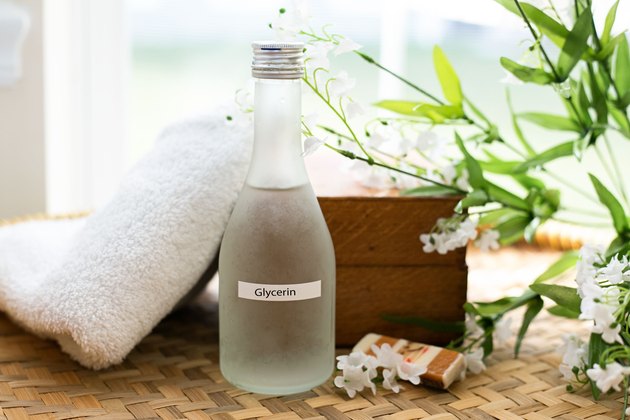
Vegetable glycerin, a natural by-product of the oil production process, is an odorless, colorless liquid often used as a cosmetic additive in lotions, moisturizers, soaps and shampoos. According to Botanical.com, glycerin has emollient-like properties that soften and soothe the skin, and assist in retaining moisture. A well-known humectant, glycerin also draws moisture from the air to the skin, which makes it an ideal ingredient for homemade moisturizers. This recipe yields approximately 4.5 ounces, or about 25 applications, of glycerin moisturizer suitable for all skin types.


Step 1
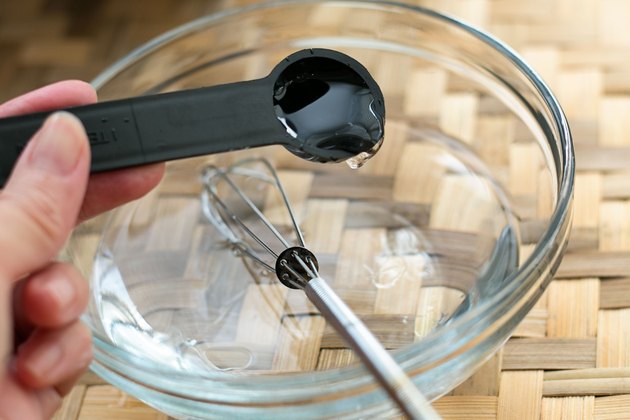


Combine the water and vegetable glycerin in a small mixing bowl. Stir using a wire whisk until thoroughly combined.


Step 2
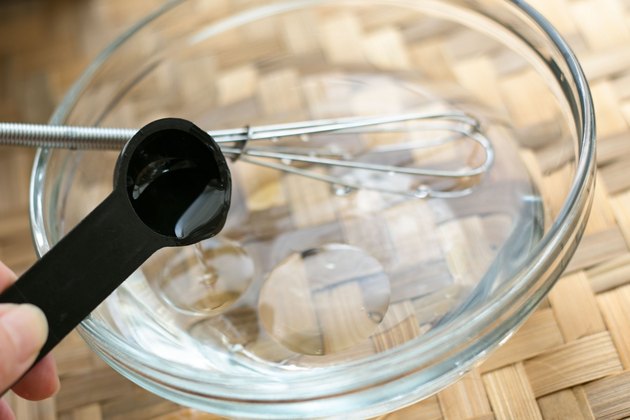


Add the cold-pressed vegetable oil, and whisk again to combine. Use any type of cold-pressed oil you have on hand such as avocado, peanut, sesame, sweet almond or apricot kernel.


Step 3
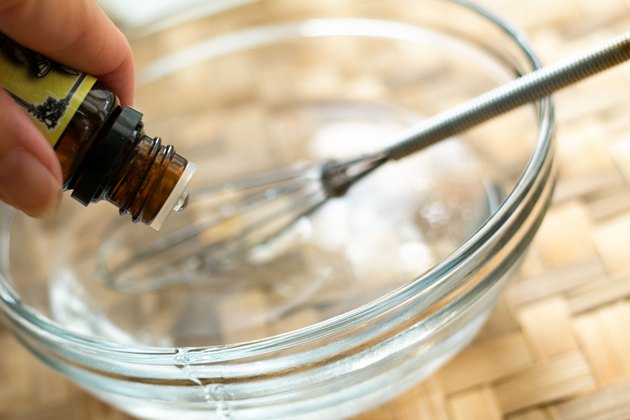


Add the essential oil to the glycerin mixture, and whisk to combine. Use an essential oil suited to your skin type for the best results. Lavender and rose nourish normal skin, cedarwood and rosewood hydrate dry skin, and citrus-based oils such as orange and lemon combat oily skin.


Step 4
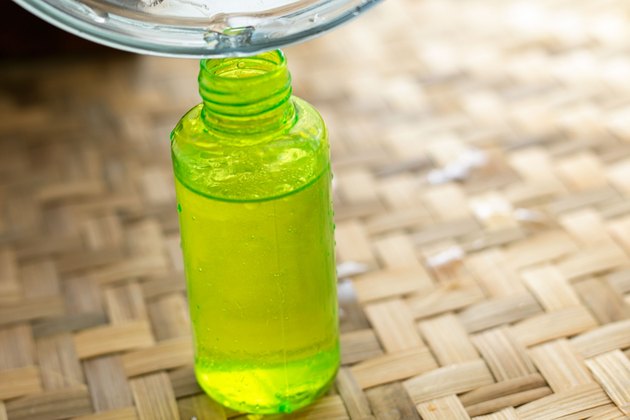


Transfer your homemade glycerin moisturizer to a plastic or glass bottle with spritzer top. Store in a cool, dry place out of direct sunlight when not in use. Use within thirty days for maximum freshness, or refrigerate and use within four months.


Step 5
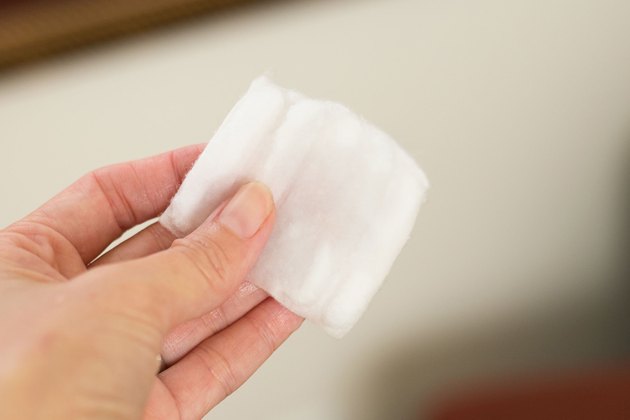


Apply to face and throat with a cotton swab, or gently spritz onto the skin. Allow the mixture to dry without rinsing. Repeat daily after washing with a gentle cleanser, or anytime your skin needs refreshing.


 Things You'll Need


  • 1/2 cup spring or distilled water

  • Small mixing bowl

  • Wire whisk

  • 1 tsp. vegetable glycerin

  • 1 tsp. cold-pressed vegetable oil

  • 5 drops essential oil of choice

  • 6 oz. glass or plastic bottle with spritzer top


 Tip


In her book “Better Basics for the Home,” Annie Berthold-Bond recommends making your glycerin moisturizer with avocado oil for dry or aged skin, and peanut or sesame oil for oily skin. Sweet almond and apricot kernel oils are lighter and suitable for all skin types.

For extra moisturizing action, use rose water or lavender water instead of spring or distilled water.

For sensitive or very dry skin, substitute aloe vera gel for 1 to 2 tbsp. of the water.


Monday, April 1, 2019

Vegetable Glycerin Substitutes


Vegetable glycerin is used in some recipes to help maintain moisture, keep water and oil-based ingredients mixed together or add sweetness. It's usually used in relatively small amounts but still makes a difference in the outcome of the recipe, so it's best to substitute something else for the vegetable glycerin rather than simply skipping it if you can't find it in your local stores.


Other Types of Glycerin


The best substitute for vegetable glycerin -- which is usually made from palm oil, coconut oil or, less often, soybean oil -- is other types of glycerin. Animal-based glycerin is made from an animal fat, like beef tallow, so it isn't vegetarian. Synthetic glycerin is made from corn syrup, cane sugar or a petroleum-based ingredient called propylene. Both animal-based and synthetic glycerin can be used in the same amounts as vegetable glycerin in recipes and will have the same effect in the recipe. They will also have the same number of calories, with a little more than 4 per gram.


Corn Syrup


Another potential substitute for vegetable glycerin is corn syrup, as this is one substance used to make glycerin. The corn syrup won't have quite as strong an effect in the recipe as glycerin, but it will provide some of the same benefits. It's usually used in the same amounts as glycerin to avoid adding extra liquid to the recipe. This is one of the better substitutes to use if glycerin is being used at least partially as a sweetener. Corn syrup is also approximately 100 percent carbohydrates, with 4 calories per gram, so it is slightly lower in calories than glycerin.


Vegetable Oil


Vegetable oil is another potential substitute for vegetable glycerin, for the same reason as corn syrup is sometimes used -- it is one of the sources of vegetable glycerin. Likewise, it's usually used in the same amounts but with less of an effect because it contains other substances as well as glycerin. This is one of the better options for a substitute if vegetable glycerin is being used mainly to help maintain moisture. It will increase the calories, however, as vegetable oil is basically 100 percent fat, with 9 calories per gram.


Considerations


If you're using glycerin as a sweetener, you should be aware that it isn't a low-calorie sugar substitute. It actually has more calories than sugar and is only about 60 percent as sweet. Consuming a lot of glycerin may cause a laxative effect, but the small amounts typically used in food won't cause this effect.


Thursday, March 28, 2019

What Are the Benefits of Vegetable Glycerin?


Vegetable glycerin, also called glycerol, is made from soybean, coconut or palm oil, so it contains no animal products. Glycerin is used to keep foods moist, help mix oil- and water-based ingredients and sweeten foods. It also has some medical uses and may have some beneficial effects on hydration during exercise.


Keeps Foods Moist


Manufacturers add glycerin to foods, including baked goods, fudge, candy and nutrition and energy bars, to help maintain their water content. It can also help keep ice crystals from forming in reduced-fat frozen desserts. Other foods that may contain glycerin include dairy products, soups, sauces, condiments, processed meats and seafood and water-based flavored drinks.


Adds Sweetness


Vegetable glycerin is sometimes used as an alternative sweetener in foods for diabetics and a number of low-carbohydrate processed foods. It's actually less sweet than sugar and has more calories, but because it falls into the same group of carbohydrates as sugar alcohols, it doesn't affect blood sugar levels or affects them less than sugar, according to licensed dietitian/nutritionist Monica Reinagel. Glycerin is well absorbed by the body and then converts to glucose, however, so it may have an effect on blood sugar more similar to sugar than to sugar alcohols.


Relieves Constipation


Large amounts of glycerine can cause a laxative effect, so it's sometimes used as a medicine to help relieve constipation, usually in the form of a suppository. It isn't recommended for this use if you're diabetic or have kidney problems, however, because it could make these conditions worse.


May Limit Dehydration


A study published in the Journal of Athletic Training in 2004 found that drinking a beverage containing glycerin before the race along with water during the race appeared to help limit dehydration and heat strain in mountain bikers. This was a very small study, however, with a total of just 12 participants, so further research is necessary to verify these results.


Wednesday, March 27, 2019

Side Effects of Vegetable Glycerin


Vegetable glycerin, also called glycerol, is sometimes used as a food additive in baked goods, candy, fudge, dairy products, meat, pasta, cereals, processed fruits and vegetables, condiments, soups, sauces, egg products and fish products. Sometimes it is used to help maintain moisture levels or mix oil- and water-based ingredients, but it can also be used as a sweetener. The U.S. Food and Drug Administration regards it as generally safe, though the additive can have some side effects in large amounts.


Laxative Effect


The small amount of vegetable glycerin used in food products isn't likely to cause side effects. It is classified as a sugar alcohol, though, and in turn can have a laxative effect when consumed in large amounts. Thus, it may cause diarrhea, excessive urination and dehydration if you eat a lot of it. Glycerin suppositories are used to relieve constipation because of this effect.


Other Side Effects


The more common, less serious side effects that can occur when you consume large amounts of vegetable glycerin include nausea, vomiting and headache. Lying down after taking medicinal amounts of vegetable glycerin can help limit the risk of headache and help relieve headaches that do occur, according to PubMed Health. When used as a medicine, glycerin must be prescribed by a doctor and used under medical supervision.


Rare Side Effects


Some less common side effects that warrant immediate medical attention include confusion and irregular heartbeat. These would be extremely unlikely to occur with the small amounts typically used in foods, as they aren't common even in medicinal doses.


Potential Allergic Reactions


Vegetable glycerin is made from either palm oil or coconut oil, so if you're allergic to either of these oils, you should avoid vegetable glycerin. Otherwise, it could cause an allergic reaction, with symptoms including difficulty breathing, swelling, rash, itching and anaphylaxis. Use animal-based forms of glycerin, which are made from beef tallow or other animal fats, or synthetic glycerin, which is made from corn syrup, sugar cane or a petroleum derivative called propylene, instead.


Monday, March 25, 2019

Foods Containing Glycerin


Glycerin, also called glycerol, is sometimes added to foods to help thicken them, to control their moisture level or to stabilize them if they contain a mix of water and oil. It's mainly used in processed foods and sweets and is generally regarded as safe by the U.S. Food and Drug Administration.


Dairy and Protein Foods


Dairy products, including cheese, yogurt and powdered milk or cream, are among the potential sources of glycerin. You may also find glycerin in condensed milk, whey products, pudding, clotted cream and dairy-based drinks. Processed meat and poultry, soybean products, processed seafood, dried eggs, canned eggs and egg-based desserts can contain this additive as well. Check the ingredients list to verify whether individual products contain glycerin.


Processed Vegetables and Fruits


Vegetables and fruits generally don't contain glycerin unless they're processed. Some examples of vegetables that could have glycerin include dried vegetables, canned vegetables, processed fruit, precooked vegetables and sauces containing vegetables. If you'd like to avoid glycerin, opt for fresh fruits and vegetables or those frozen without any added sauces.


Grains and Baked Goods


Precooked pasta, rolled oats, breakfast cereals, rice or tapioca pudding, breading or batters, precooked rice products and baked goods are all potential sources of glycerin. The less processed a grain-based food is, the less likely it is to contain glycerin. Baking goods and cooking grains yourself will help you limit your glycerin intake.


Other Foods


Many other foods can also be sources of glycerin. Some potential beverage sources of glycerin include alcoholic beverages, cider and flavored beverages made with water. The little extras you add to your food, such as sauces, vinegar, mustard, condiments, table-top sweeteners, butter and similar spreads, and nut butters may contain glycerin, and so can candies, soups and edible ices. Foods with added sweeteners sometimes contain glycerin because of the sweet taste it imparts.


Sunday, March 24, 2019

Glycerine Substitutes


Glycerin, also referred to as glycerine or glycol, is a simple compound with a sweet taste. Glycerin is used in the food industry, in cosmetics and toiletries, in pharmaceutical products and botanical extracts, and as a component in antifreeze. Alternatives to glycerin are available for all of these applications. Some cheaper substitutes for glycerin in chemical applications are toxic and dangerous if present in food or cosmetic products.


Diethylene Glycol


Diethylene glycol, or DEG, is a liquid with a sharp sweet taste. It is naturally viscous, odorless and colorless. DEG is used as an intermediate substance in the production of chemical products such as polyurethanes, polyester resins and ethylene glycols. DEG can also be used as an antifreeze, as a humectant in tobacco, and as a solvent in cosmetics and paints. DEG can substitute for glycerin in these industrial applications, but is not approved for human consumption in many countries. The Australian government reports that DEG sold as counterfeit glycerin was found in toothpastes and cough syrups, leading to a toothpaste recall in Australia in 2007.


Propylene Glycol


Propylene glycol is a colorless, odorless liquid with similar humectant, or moisturizing, properties to glycerin. Also known as PG, propylene glycol is commonly used as a glycerin substitute in cosmetic and toiletry products because it is typically cheaper. Derived from petroleum, high-level and concentrated exposure to PG is believed to cause abnormalities of the liver, brain and kidneys. PG is found in commercially available stick deodorants, shampoos and other cosmetic products.


Ceramides


Ceramides may be substituted for glycerin in skincare products such as moisturizers and lotions. EczemaNet indicates that skincare products containing glycerin may increase the dryness of your skin if you suffer from atopic dermatitis. Using ceramides instead of glycerin in moisturizing lotions can help regulate your skin cells. Like glycerin, ceramides have a moisturizing effect, working to repair damaged skin. If your skin is particularly dry or prone to cracking, ceramides may be a good moisturizing substitute for glycerin.


Oils and Butters


Vegetable glycerin is often used as a natural skin care ingredient, according to Dinah Falconi's 1997 book "Earthly Bodies and Heavenly Hair." Glycerin substitutes include various naturally derived carrier butters and oils which have a similar moisturizing effect to glycerin. If your skin is naturally dry and the dryness is exacerbated by glycerin, you may find that shea butter, jojoba oil, cocoa butter or avocado oil are effective substitutes.


Saturday, March 23, 2019

Types of Glycerol

There're four extraction methods for glycerol, namely saponification glycerol, synthetic glycerol, compound glycerol, fermented glycerol. Their performances and uses are basically the same, but their market quotation is much different.

  1. Saponification Glycerol


Saponification glycerol is the hottest and in great demand on the current market, hydrolyzed from oil. We mainly get it from soap production in our country, commonly known as saponification glycerol. Saponification glycerol is a by-product of saponification of natural oils into soap. In recent years, soap and saponification glycerol production has been restricted due to the gradual replacement of soap by laundry detergent, making it difficult for saponification glycerol to achieve a breakthrough development.

  1. Synthetic Glycerol


Synthetic Glycerol is synthesized from epoxy chloropropane (ECH), another popular glycerol in the market, as well. The annual production capacity of ECH is about 45000 tons in our country, but due to the serious shortage of chlorine gas and propylene, the production capacity is unable to be exerted. Because the insufficient raw materials, price hanging upside down, manufacturing loss and no incentive to produce for manufacturers, the output of synthetic glycerol is stagnant, hard to be increased in this way. If the production capacity of ECH could be increased greatly, this would be an effective way to produce glycerin.

  1. Compound Glycerol


Compound Glycerol is produced from distillers' grains. At present, it occupies a small proportion in the market and its price is about 6.000 Yuan per ton. The production of compound glycerol is simple, with low price, and available raw materials, able to be produced in large numbers. But cannot be blindly developed in view of the sluggish sales. If the quality could be further improved, it'll undoubtedly be an important way to solve the long-term shortage of glycerin and dependence on import in China. Meanwhile, it could also be exported in large quantities.

  1. Fermented Glycerol


Fermented glycerol is made by fermentation with starch such as corn, potato and saccharic such as sugar beet and sugar cane as raw materials. It is reported that all the important indicators of fermented glycerol  reach international advanced level, and free of arsenic, heavy metals and other harmful substances. Therefore, fermented glycerol could be used not only in the coating industry, but also in other industries like medicine, food, cosmetics, tobacco, toothpaste.

In 1859, Pasteur pointed out that glycerin is formed during the fermentation of yeast alcohol, as a by-product. During the first world war, due to the shortage of oil, glycerol produced by saponification of oil was far from enough to meet the demand in Germany. Therefore, German began to study fermentation method to produce glycerol, and developed the technology of adding sulfite to produce glycerol.

In recent decades, the United States, Japan, Sweden and China all have been actively engaged in the research of glycerol fermentation production, making it get rapid development at home and abroad. Due to the abundant source of raw materials, low price and mature technology, it is expected that in the near future, this kind of glycerol production will become an important method to alleviate the tension of glycerol in China.